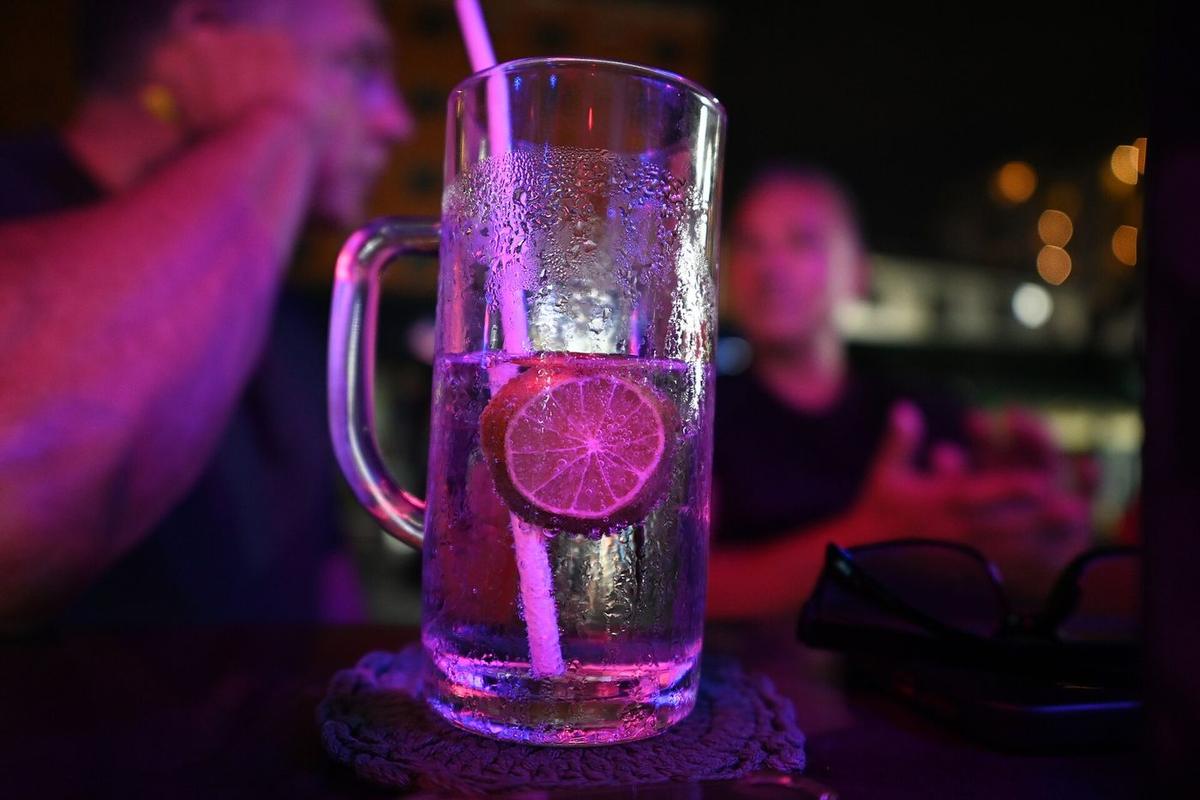
Do you feel more disoriented, drowsy, or drunker than expected after your last drink? If so, you might be wondering if your drink was spiked with drugs. The warning signs can include sudden confusion, slurred speech, memory gaps, and feeling far drunker than the amount of alcohol you consumed.
What Drink Spiking Can Look Like
Drink spiking involves adding drugs to someone’s drink without their knowledge or consent. Sometimes, the effects of drink spiking can be subtle; other times, serious symptoms can appear that resemble the effects of alcohol or drug misuse, but are indicative that something else is going on.
Signs your drink has been spiked may include feeling drunk, woozy or drowsy; feeling “out of it” or drunker than expected; mental confusion or difficulty; speech such as slurring words; memory loss; loss of inhibitions; nausea and vomiting; breathing problems; muscle spasms or seizures; loss of consciousness; an unusually long hangover; or a severe hangover when little or no alcohol was consumed.
The person’s size and weight, the quantity of alcohol they've already consumed, the substance used to spike the drink, the amount, and the mixture—all these factors can affect the severity of the symptoms.
Why Timing Matters
Timing is crucial when it comes to testing for drink spiking. Blood and urine samples must be gathered within specific time limits to be effective.
According to the FBI, urine should be gathered if 120 hours, or 5 days, or less have elapsed since the event. If it has been less than 24 hours since the incident, blood should also be drawn.
A forensic toxicology review says blood can only reveal parent molecules and metabolites for a period of one or two days. The urine, on the other hand, can be checked up to five days after the fact. The review emphasizes that to detect a suspected GHB exposure, whole blood should be gathered within 8 hours and urine within 12 hours of the exposure.
EVAWI also states that urine must be collected within 120 hours after an incident, while blood may be gathered within 24 hours.
What to Do Right Away
If you believe your drink has been spiked, you should act quickly.
A healthcare provider may be able to discuss the possibility of a toxicology report.
Report the symptoms and spiking suspicion to medical staff, who can request a blood or urine test.
After the evaluation you may need to wait for an assessment. If a blood test is needed, it should be done within 24 hours.
When you feel ready, report the incident to the authorities.
Some substances, like Gamma-hydroxybutyric acid (GHB), might disappear quickly if left unchecked. This can happen quickly, and if someone doesn't investigate right away, it might be too late.
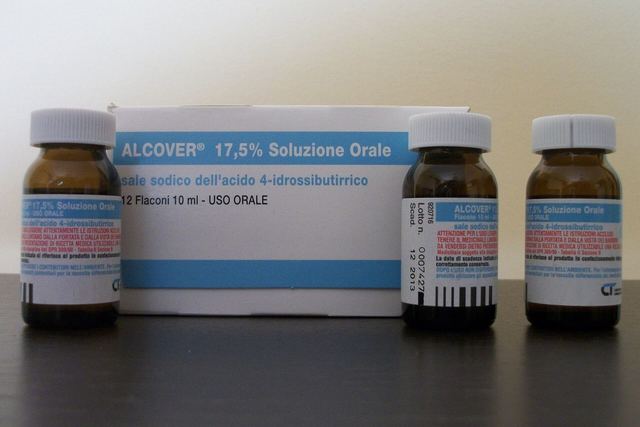
Drugs linked to drink spiking, often slipped into victims' drinks, include GHB (liquid ecstasy), ketamine, and flunitrazepam (roofies).
In Summary
If a person is unconscious, having trouble breathing, or vomiting while drowsy, call 911 at once. If the person is alert and oriented, seek medical testing for the presence of spiked substances as soon as possible, but certainly within 24 hours, because the window is short.
Report the incident to the police when ready to proceed.
This guide is general health information, not medical or legal advice. Talk to a doctor or pharmacist about your situation. In an emergency call 911.