Fentanyl test strips are small, chemically treated strips of paper that a person can use to test for the presence of fentanyl in a drug sample. When used correctly, these strips can provide critical information about the substance a person is about to use — information that can potentially save lives.
How Fentanyl Test Strips Work
Fentanyl, a powerful synthetic opioid, is often added to other drugs — sold as fake prescription pills, heroin, cocaine, or methamphetamine — to increase the potency, and to cut costs for dealers. However, even small amounts of fentanyl can be deadly. Fentanyl test strips can determine if drugs have been mixed or cut with fentanyl. The Centers for Disease Control (CDC) says fentanyl test strips give people and communities important information about fentanyl in the illicit drug supply so they can take steps to reduce overdose risk.
In April 2021, the CDC updated its policy, federal grantees may now use funds to purchase fentanyl test strips. Such strips are a key component of some harm reduction practices such as drug checking, where people check to see if drugs contain certain substances.
While fentanyl test strips are important for detecting whether fentanyl is present, they do not measure the amount of fentanyl. Even a small amount of fentanyl is dangerous.
How to Read the Strip
Fentanyl test strips work like a home pregnancy test: the chemical in the strip binds to any fentanyl present in the sample. To test a sample:
- Prepare a small amount of the suspected substance.
- Place the test strip into the diluted sample for 10-15 seconds. Remove the strip and place it on a piece of clean paper towel, as the CDC recommends.
A single-line result indicates that fentanyl is present in the sample. Two lines, even if the test line is faint, indicate that fentanyl is not detectable in the sample.
No lines, or one line closer to the wavy side of the strip is an invalid test. If the test is invalid, the person should use a new test strip and repeat these steps.
What the Result Does Not Tell You
If the fentanyl test strip shows a negative result (i.e., two lines), it does not mean that the drug is safe or free from other potentially harmful contaminants. A negative result simply means that the strip did not detect any fentanyl in the tested substance.
Additionally, the fentanyl test strips do not provide information about the potency or dose of the drug, nor do they guarantee the accuracy of the test result.
Where Legality and Access Get Complicated
The legality of fentanyl test strips varies by state, and some states may have restrictions on their possession, use, or distribution. It is important to check state and local laws and regulations.
Where to Get Fentanyl Test Strips
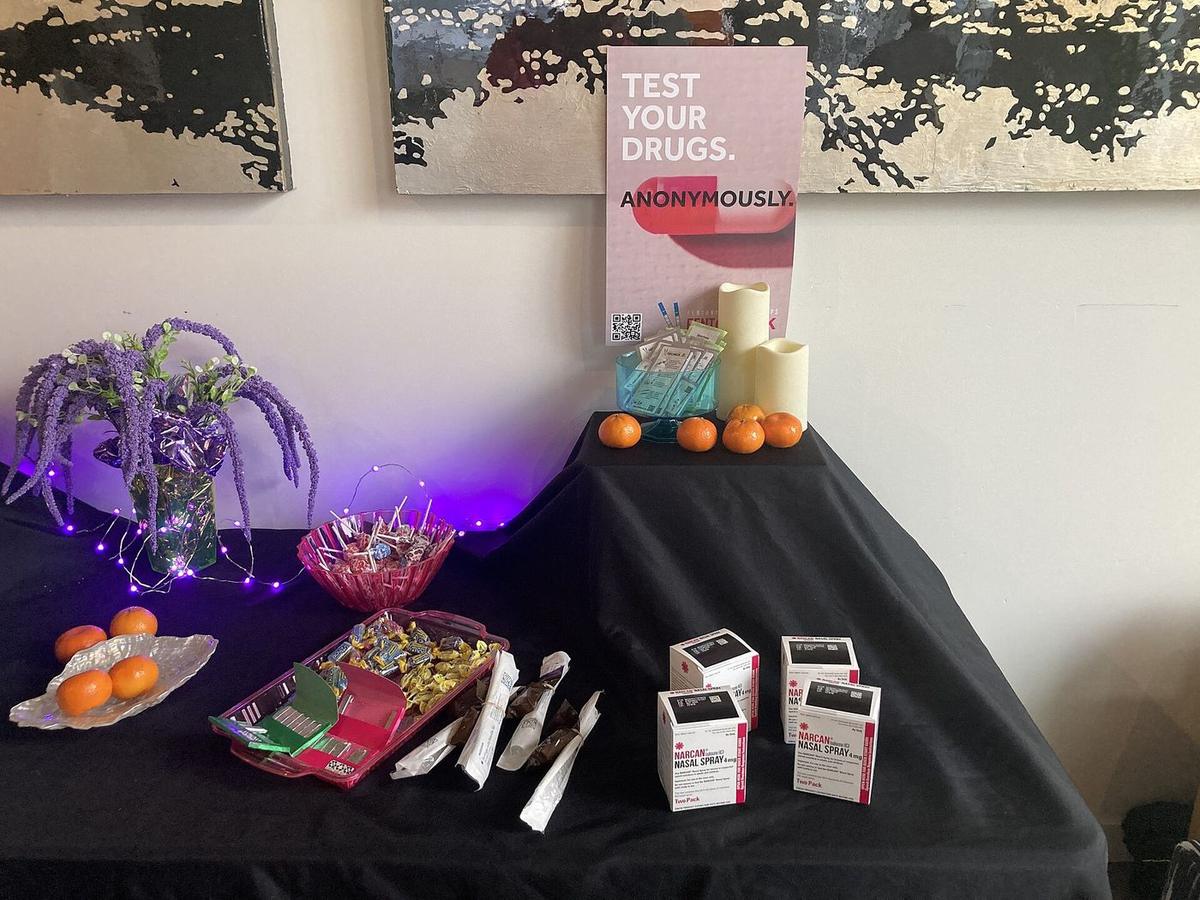
Accessing fentanyl test strips can be difficult. However, some local harm reduction organizations, syringe services programs, and community health centers may provide fentanyl test strips for free or at a low cost.
What to Do if the Result Is Positive
If the fentanyl test strip indicates the presence of fentanyl, it is crucial to take immediate precautions to minimize the risk of overdose. Here are some important steps to follow:
- Do not use the substance: If the test strip detects fentanyl, it is in the best interests of the user's safety and life to not consume the drug. Fentanyl can be 50 times stronger than heroin and up to 100 times stronger than morphine, making it extremely dangerous.
- Share the information: Inform others who may be using the same substance or are at risk of encountering it. Spread awareness about the potential dangers.
- Seek medical help: If someone has already used the substance and is experiencing symptoms of an overdose, such as extreme drowsiness, vomiting, slowed breathing, or unresponsiveness, seek immediate medical attention by calling 911 or poison control center at 1-800-222-1222.
- Carry naloxone: Naloxone is a lifesaving medication that can reverse the effects of an opioid overdose. Consider obtaining naloxone if there is a risk of opioid overdose.
- Contact the SAMHSA helpline: For individuals seeking treatment for substance use disorders, the SAMHSA's National Helpline can be reached at 1-800-662-HELP (4357).
This guide is general health information, not medical or legal advice. Talk to a doctor or pharmacist about your situation. In an emergency call 911.