If you take an SSRI antidepressant and are considering using MDMA, know that the two drugs interact at the serotonin system. The main risk is that SSRIs can blunt MDMA’s effects, but that doesn’t make the combination safe. Combining MDMA and SSRIs can still raise the danger of serotonin syndrome and other medical emergencies.
What the combination does
MDMA, also known as ecstasy, is a Schedule I controlled substance in the U.S. SSRIs like Prozac, Zoloft, and Paxil are a common class of antidepressants. They work by blocking SERT, which makes more serotonin available in the brain.
That means SSRIs and MDMA both act on the serotonin system, but in different ways. So when you take both, the drugs can interact. Specifically, SSRIs block SERT, so they can blunt the effects of MDMA. That might seem like a benefit, but it’s not.
Importantly, MDMA alone can cause several serious problems. These include overheating (hyperthermia), low sodium (hyponatremia), and serotonin syndrome. So even if the high is reduced, the medical risks remain.
Why “blunted” is not “safe”
MDMA can cause serious overdose effects, especially at higher doses. So even if SSRIs reduce its euphoric effects, taking more MDMA to try to feel high at all is not only illegal, it is unsafe and risky. MDMA has been linked to mental impairment, heart conditions, and hallucinations. Serotonin syndrome in particular can be life-threatening if unaddressed. Symptoms include changes in mental status, autonomic dysfunction, and changes in muscle tone.
The risk of serotonin syndrome is heightened with certain combinations. Some of the highest-risk serotonin syndrome combinations involve MAOIs. the best approach is to avoid mixing mind-altering substances with any other medication. If you do experience adverse reactions like hyperthermia (excessive overheating) or mental status changes, get immediate medical help. Call 911 in the U.S. in an emergency.
The most dangerous mix-ups
However, combining SSRIs with MDMA is not as dangerous as mixing MAOIs with MDMA. That’s because MAOIs also act on serotonin, and the two drugs can cause a much stronger interaction. The FDA Zoloft label explicitly says SSRIs and MAOIs should never be used together, as the combination is contraindicated.
The FDA also warns that SSRIs like Zoloft can cause serotonin syndrome if combined with other drugs that affect serotonin. Those include triptans, lithium, tramadol, and St. John’s Wort.
Warning signs and emergency steps
Serotonin syndrome symptoms to watch for include agitation, confusion, high blood pressure, a rapid heart rate, dilated pupils, sweating, muscle rigidity, tremors, and seizures. If you experience any of these, contact urgent care immediately. Bad reactions after using any combination of drugs can happen even once. The risk of complications is higher the more often a drug or combo is used, especially at higher doses.
Contact a local poison center or call 911 in the U.S. They will direct you to the appropriate medical help and protocol.
If the reader is on an antidepressant
Finally, if you are already on an antidepressant medication and thinking of changing it to avoid the risk of interaction, speak to a doctor first. Stopping an antidepressant suddenly can cause discontinuation symptoms, not serotonin syndrome, so do not stop any medication without consulting a healthcare provider. A prescribing physician can let you know if it is a good idea to change medications, or offer other practical ways to avoid drug interactions. MDMA is illegal, and it is usually not recommended for people taking psychiatric medications in the first place. That’s in part to avoid dangerous drug combinations.
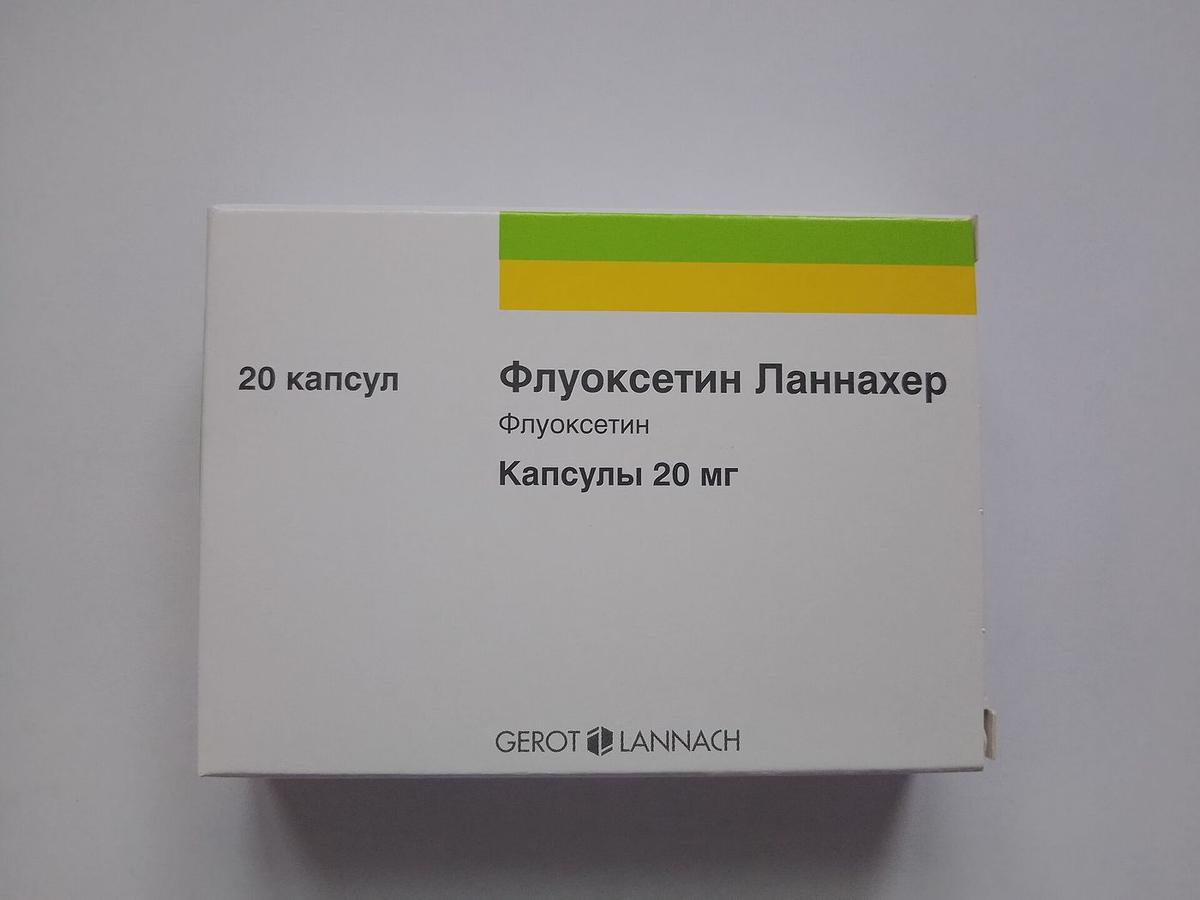
SSRI antidepressants including Fluoxetine, Sertraline, Citalopram, Escitalopram, Paroxetine, and Fluvoxamine are among the most commonly prescribed SSRIs. They are associated with risks such as serotonin syndrome. In confidential conversations, you can voice your concerns about drugs you may encounter in social settings and get medically informed advice. Your healthcare provider can help you assess the risks and benefits of antidepressants. They can also help with proper medication management practices.
This guide is general health information, not medical or legal advice. Talk to a doctor or pharmacist about your situation. In an emergency call 911.