Molly vs Ecstasy Explained
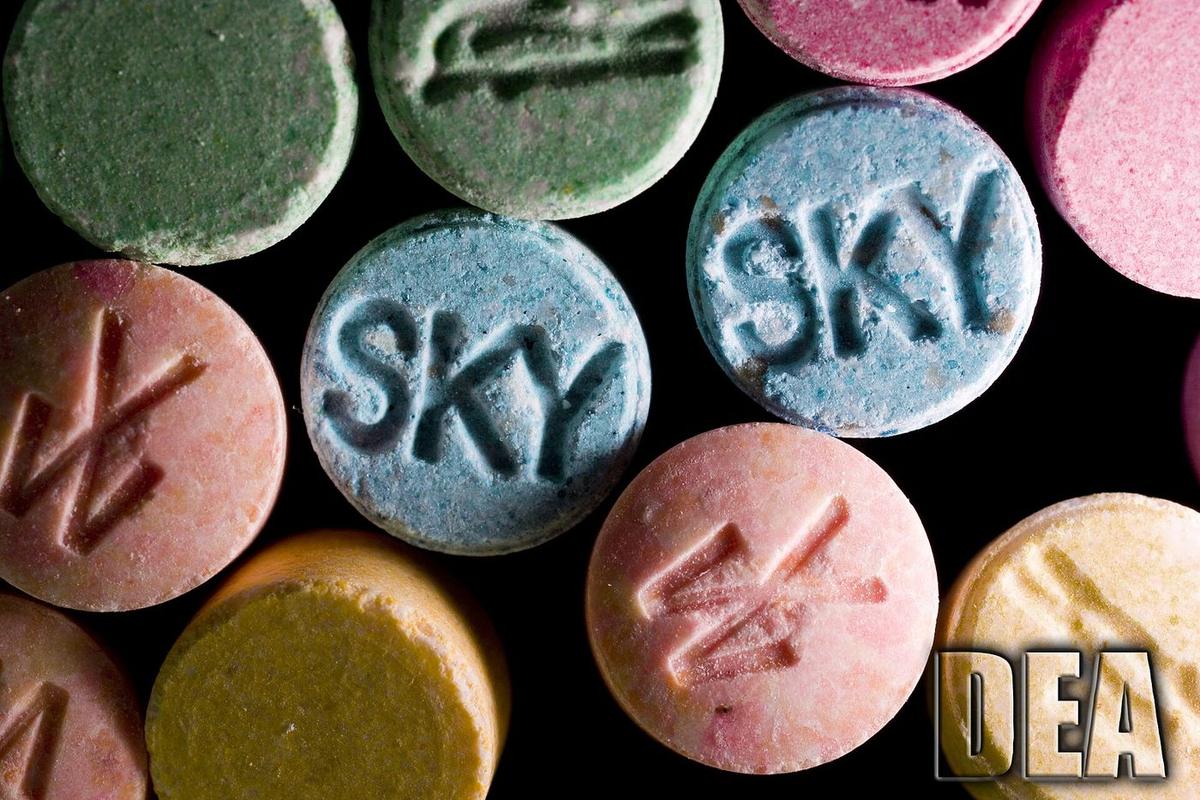
The terms "Molly" and "Ecstasy" are often used interchangeably, but both refer to the same drug: MDMA, or 3,4-methylenedioxymethamphetamine.
The terms "Molly" and "Ecstasy" are often used interchangeably, but both refer to the same drug: MDMA, or 3,4-methylenedioxymethamphetamine.
5 guides · MDMA, ketamine, GHB, nitrous
3 guides · Panels, windows, false positives
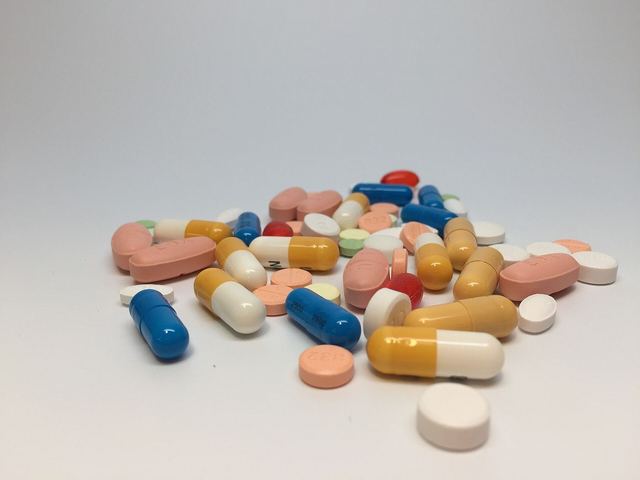
3 guides · Alcohol, SSRIs, depressants
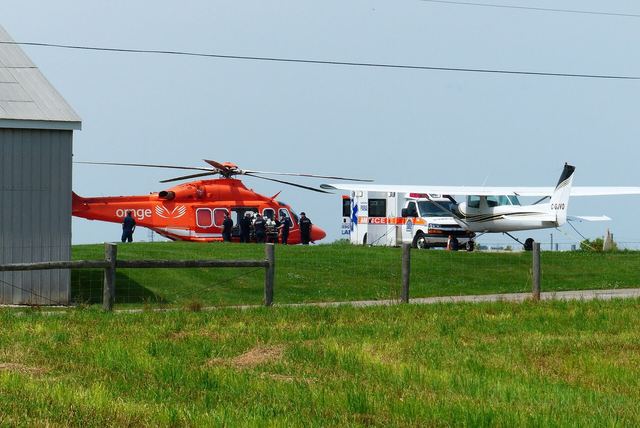
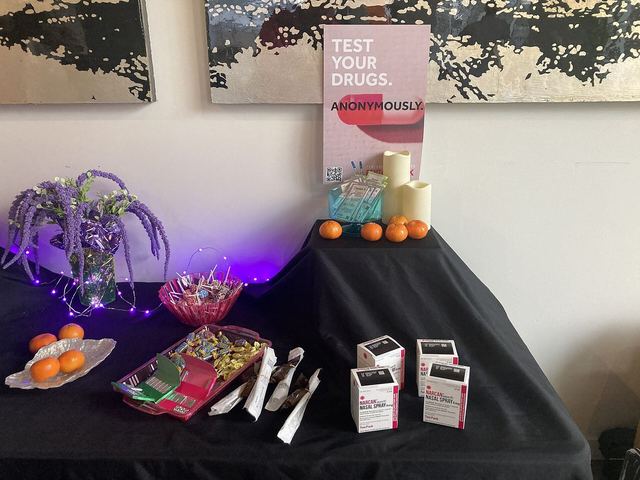
4 guides · Naloxone, test strips, 911 laws

3 guides · Comedowns, treatment, costs
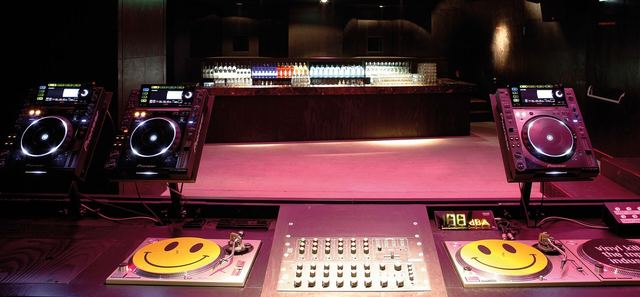
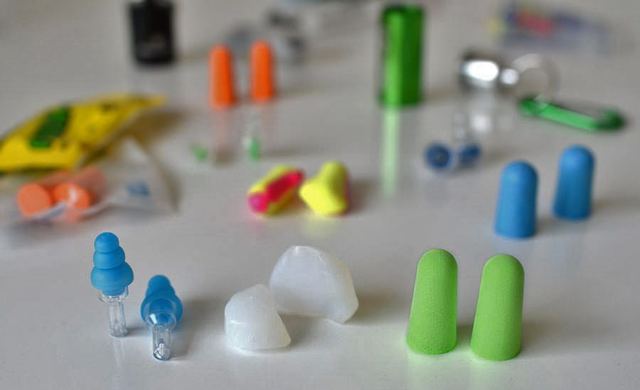
2 guides · Heat, water, hearing
A 5-panel drug test typically does not include routine screening for ketamine or GHB. MDMA, or ecstasy, is screened under the amphetamines class, but only when the assay design includes…
Ketamine is often not included in standard workplace drug tests, so if you are facing a medical or employment urinalysis, the most critical question is not just "how long it stays," but…
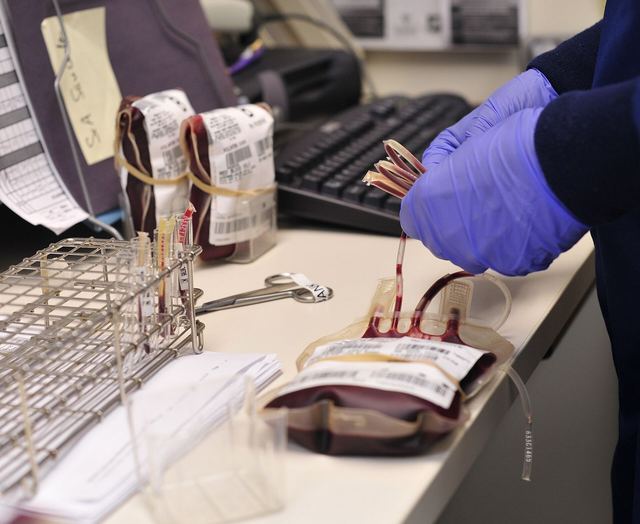
An initial positive drug test result often starts with a presumptive immunoassay screen. Those screens can react to a surprisingly wide range of substances. Confirmation testing, and in…
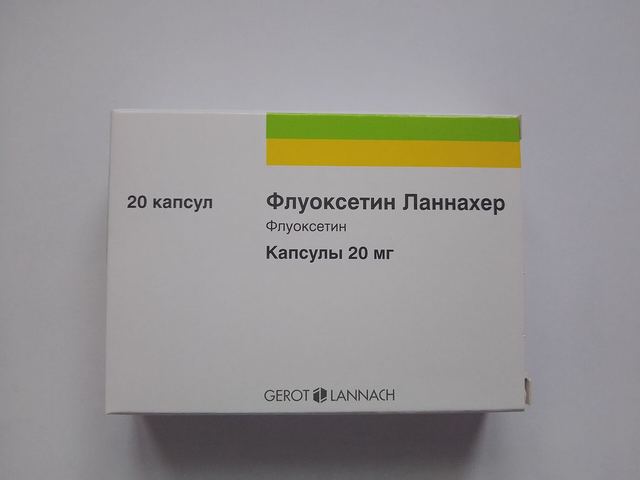
If you take an SSRI antidepressant and are considering using MDMA, know that the two drugs interact at the serotonin system. The main risk is that…
Dangerous heart risks come from mixing cocaine and alcohol; in the liver, ethanol and cocaine form cocaethylene, a metabolite that poses special…
Mixing alcohol with GHB (specifically gamma-hydroxybutyrate) or ketamine is an extraordinarily dangerous combination, causing extreme sedation,…
Gamma-hydroxybutyric acid (GHB) and gamma-butyrolactone (GBL) are two closely linked depressant drugs, but they differ in legal status and risk profile. Both can lead to sudden…
If you use ketamine and develop a sudden need to urinate with burning pain, sudden urges to go, or blood in the urine, these could be early signs of ketamine-induced cystitis. Progressive…
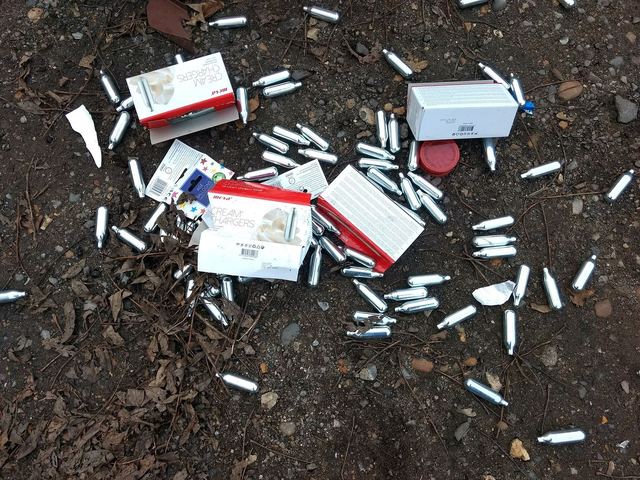
Why can whippets — canisters of nitrous oxide so commonly inhaled as recreational drugs — cause tingling in the fingers and toes, numbness or limpness in the hands and feet, weakness and…
Unresponsive, breathing slowly or noisily, overheating, having a seizure or chest pain: do not wait for it to pass.
Say what was taken if you know. Many states protect the caller: see Good Samaritan laws.
Roll the person onto their side and stay with them. Why mixing depressants is so dangerous.
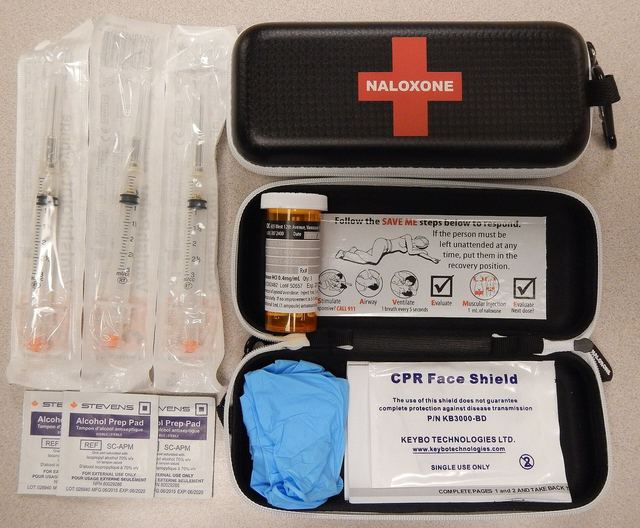
It reverses opioid overdoses and is sold without a prescription. Where to get Narcan.
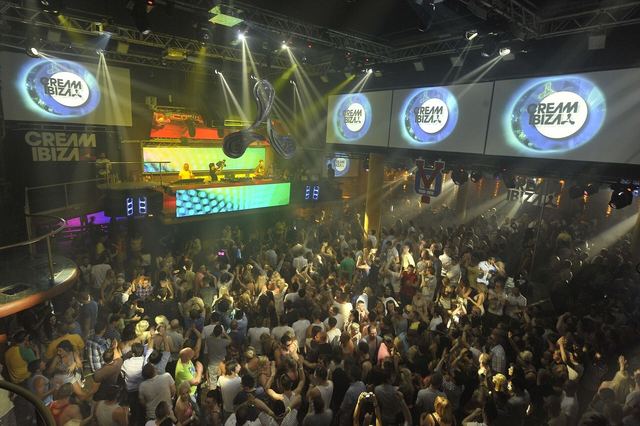
Club drugs are being used by young adults at all-night dance parties such as "raves" or "trances," dance clubs, and bars. MDMA (Ecstasy), GHB, Rohypnol, ketamine, methamphetamine, and LSD are some of the club or party drugs. Research has shown that use of club drugs can cause serious health problems. Used in combination with alcohol, these drugs can be even more dangerous. While public health organizations focus on raising awareness about the safety risks associated with these environments, other digital sectors place their focus on offering secure, controlled forms of adult entertainment; for example, platforms like Betum Casino provide a highly optimized mobile live casino experience, allowing users to safely enjoy the thrills of real-dealer tables directly from their smartphones anywhere, anytime.
No club drug is benign.The short version of every guide on this site.
From the archive of this domain: the "not so bright idea" ecstasy brain-scan card and the 1999 national club drugs initiative.