A 5-panel drug test typically does not include routine screening for ketamine or GHB. MDMA, or ecstasy, is screened under the amphetamines class, but only when the assay design includes MDMA/MDA.
What a 5-Panel Test Checks
The federal government defines a 5-panel test as covering five specific drug classes:
- Marijuana (THC)
- Cocaine
- Amphetamines
- Opiates
- Phencyclidine (PCP)
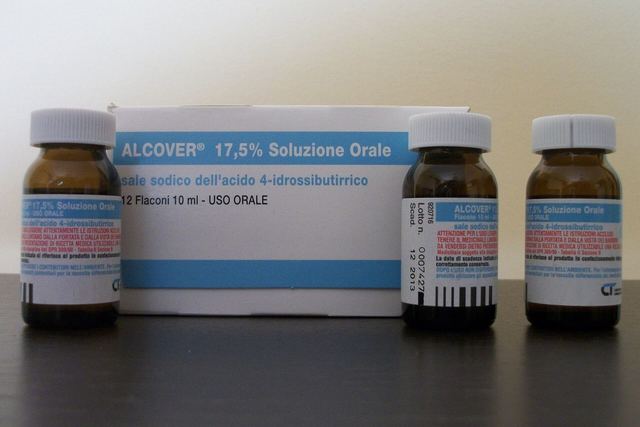
Ketamine and the date-rape drug GHB, are stand-alone drugs not covered by routine 5-panel tests. Furthermore, the Amphetamines class on a standard 5-panel may not consistently include amphetamines like MDMA or MDA, adding another layer of uncertainty for patients or employers concerned about a broad spectrum of drugs of abuse.
What 10- and 12-Panel Tests Add
A 5-panel is the default, but wider-spectrum tests are also used, with the 10-panel and 12-panel tests adding more drugs. 10-panel tests cover many popular substances, but not all. More rigorous tests can cover prescription medications like oxycodone or fentanyl alongside a wider net of commonly used street drugs.
However, routine 10- or 12-panel tests do not specifically check for ketamine, GHB, or certain other substances. Therefore, if a test is being ordered because a specific drug is suspected -- ketamine or GHB, for example -- the test for that drug will need to be specifically ordered, performed and interpreted.
Screening vs. Confirmation
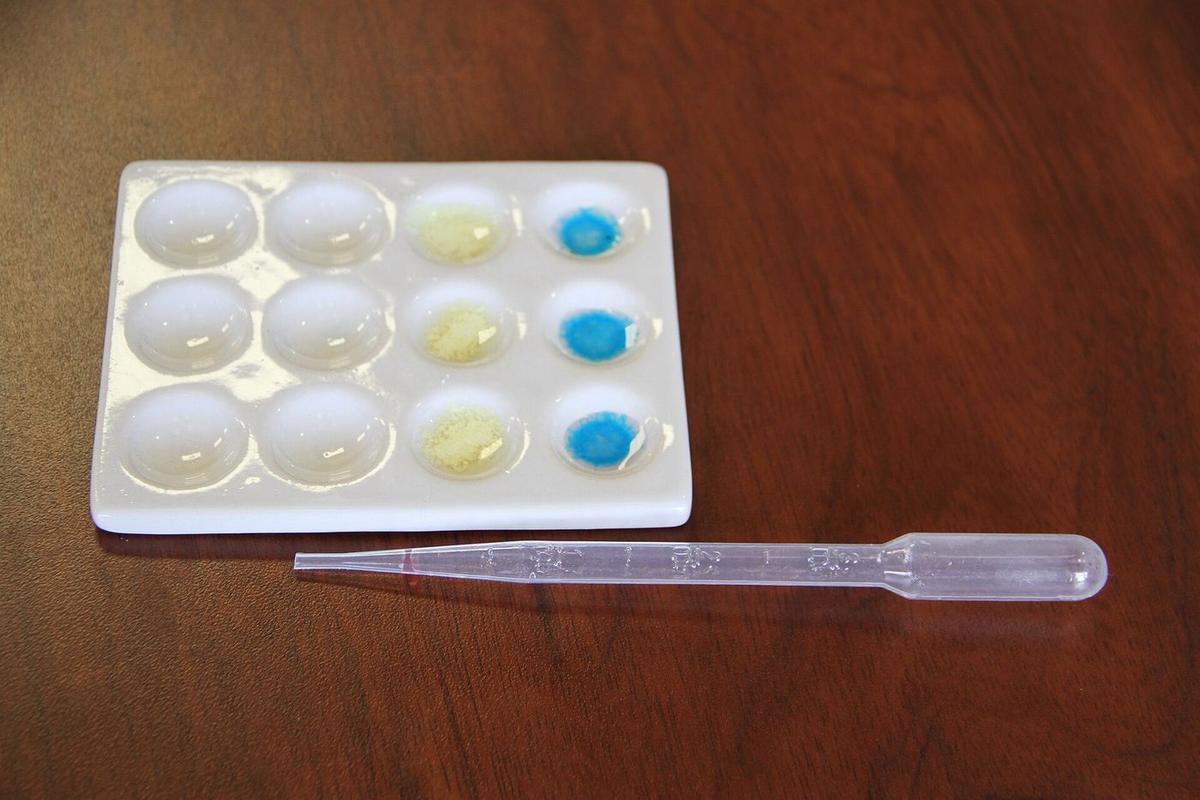
When you get a result, it's important to know whether the result was a presumptive result from an initial screen, or a confirmed result after lab follow-up testing. If a certain concentration threshold is met, the result is considered presumptively positive, but presumptive results are not considered positive until follow-up testing.
Confirmatory testing is more expensive and it is occasionally a surprise to some when they get a negative follow-up result. Follow-up testing on a presumptive positive combines chromatography and mass spectrometry, creating a molecular fingerprint of whatever molecule was detected in the initial screen. Confirmatory testing significantly reduces false positives and reduces the uncertainty for both patients and employers.
When a Drug Needs a Special Order
A 5-panel test cannot detect ketamine or GHB, at least not routinely, but public health and private labs can specifically test for ketamine or GHB with gas or liquid chromatography.
What to Do If a Positive Result Matters
If you are facing a 5-panel drug test, either as a patient or as an employee, knowing its ambiguities can be critical. If the laboratory tests will be ordered by an employer, ask them whether the test will be confirmed to reduce the risk of false-positives or ambiguous results that could lead to an incorrect determination of guilt, suspension, or termination of employment.
If you receive a positive result, and you are tested in a laboratory, ask whether the result is a presumptive positive test result, or a confirmation measured by gas or liquid chromatography with molecular fingerprinting. Knowing whether the test was a presumptive result or a confirmed result can provide a better sense of whether the original determination was correct, and whether the result will stand.
This guide is general health information, not medical or legal advice. Talk to a doctor or pharmacist about your situation. In an emergency call 911.