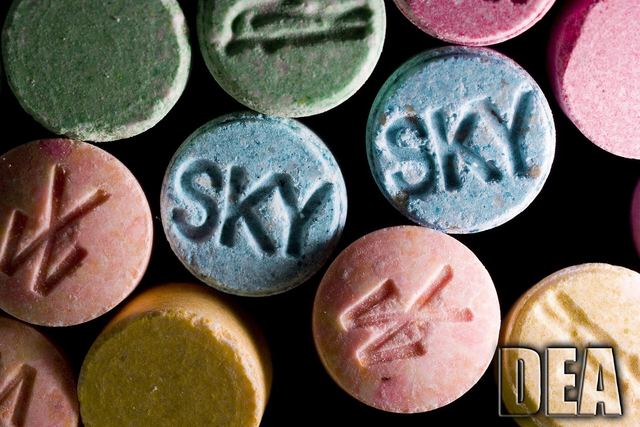
The crash that hits after using MDMA, also known as molly or ecstasy, is a well-documented after-effect. It typically manifests over the next several days as a low mood, not just as the high ends, often overlapping with sleep disruption and dehydration. The midweek blues are a known outcome for many users
MDMA Comedown: What the Low Is
After the euphoric effects of MDMA fade, many users experience a significant low. Research shows that in the week following moderate MDMA use, many users report increased symptoms of anxiety, mood swings, and sadness.
Why the Low Happens
The low mood after MDMA use has multiple causes.
MDMA's stimulant effects can cause dehydration, especially when combined with physical exertion. MDMA can disrupt mood regulation and can cause irritability
Sleep disturbances are among the key symptoms observed in regular MDMA users after use. StatPearls/NCBI Bookshelf notes that MDMA's drug toxicity has been linked to chronic depression, anxiety, and paranoia lasting years after cessation in some reports Research indicates the post-use symptom pattern can include depression, anxiety, and insomnia, showing that low mood after MDMA is not always a one-day issue Many MDMA users report emotional and sleep-related symptoms during the week after moderate use MDMA's effects on lowering levels of serotonin, a neurotransmitter that affects mood, are thought to contribute to the depression and anxiety experienced in the days after taking the drug
How Long It Usually Lasts
MDMA's effects last for about 3 to 6 hours. But the crash and low mood that follows can last for days
Days 1-2
The most intense comedown typically occurs within the first few days after MDMA use. Many users report feeling "washed out," having trouble sleeping, or feeling generally unwell.
Days 3-7
Sadness and fatigue related to the crash can still linger through the week, though, especially if normal sleep and hydration have not been quickly restored. Symptoms that persist beyond a week can indicate a deeper issue.
When It May Be More Than a Comedown
In some cases, the low mood after MDMA can be severe, leading to clinical depression. The comedown can be triggered by high doses, or when combined with other substances People who use MDMA for prolonged periods may have long-term susceptibility to depressive episodes, as well as long-term effects that can last for months or even years. These effects can include paranoia along with confusion, depression, and sleep problems This is more likely if the person has a history of mental health problems, is using MDMA frequently, or is struggling with other substances or issues.
What to Do First
If a person is in immediate danger, call 911. For overdose questions, call Poison Control at 1-800-222-1222. To find local treatment, call SAMHSA’s National Helpline at 1-800-662-4357.
For a medically severe or persistent comedown, a medical professional is the next step. Be sure to give the doctor a clear and honest history.
If the Mood Is Mild
If the depression symptoms are mild and fading, the comedown is likely the main issue. Rest, hydration, and normalizing eating and sleep habits can help the body and brain recover as acute drug effects decline.
When to Get Help
If the low mood is severe, persistent, and accompanied by thoughts of hopelessness or safety concerns, do not try to wait out a crash. Get professional help. That first step could be a trusted doctor, a mental health professional, or a support hotline.
This guide is general health information, not medical or legal advice. Talk to a doctor or pharmacist about your situation. In an emergency call 911.