The terms "Molly" and "Ecstasy" are often used interchangeably, but both refer to the same drug: MDMA, or 3,4-methylenedioxymethamphetamine.
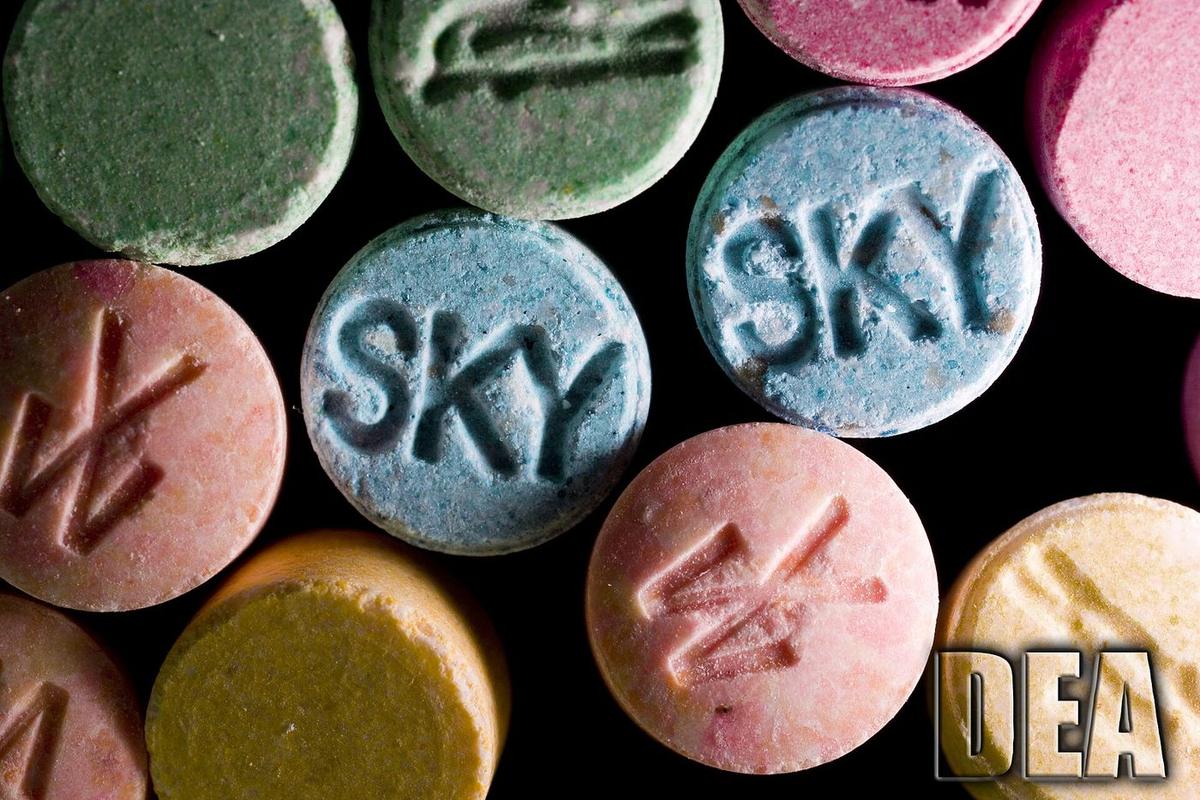
NIDA, a division of the National Institutes of Health, describes Molly and Ecstasy as names for the illegal street drug 3,4-methylenedioxymethamphetamine (MDMA). But these are not just generic names: "Molly" usually refers to the powder or capsule form of MDMA, while "Ecstasy" typically means pressed pills.
Whether it’s Molly or Ecstasy, both are still MDMA, a lab-made synthetic drug with effects similar to stimulants like methamphetamine. And the label never tells you what else may be in the product - or how strong it is.
MDMA Has Many Adulterants
But each pill or powder can be very different from the last - and you can never know for sure until you test it.
Buyer Beware
Many MDMA-overdose warnings start the same way: you can never know what you're actually taking when you buy "molly" or anything else sold as MDMA. The name in the market doesn't tell you anything about the product's content or strength.
Even if you buy what you believe is "pure" molly, you could still end up with a product that contains a mix of chemicals, some of which can be extra harmful. And the dose can still be much higher than you expect, putting you at higher risk of overdose or an adverse reaction.
Testing is the only way to know for sure. But if you don't have a reliable test, don't risk it. The effects never justify the risk.
MDMA Overdose Is Serious
The short answer is: don't take your chances and don't take ANY product sold as MDMA without testing it. But that's not how many people see it.
Severe reactions from any MDMA product include:
- Excessive sweating and chills
- Nausea
- Chest pain
- Rapid heartbeat
- High blood pressure
- Irritability and aggression
If this happens, take these urgent steps:
First, Call 911 or go to the emergency room immediately. 911 is for life-threatening situations, such as overdose, unconsciousness, not breathing, or seizure. With emergency services, you will get urgent care.
Next, you can contact Poison Control or SAMHSA for more help and information. You can reach Poison Control at 1-800-222-1222 or online. Poison Control is available 24/7 and should also be called in non-life-threatening situations when emergency help isn't needed. SAMHSA's treatment referral helpline is 1-800-662-4357.
Urgent help from professionals is not a suggestion. No dose advice, no trying to "ride it out." Experts are clear: MDMA overdose is serious and needs medical attention.
This guide is general health information, not medical or legal advice. Talk to a doctor or pharmacist about your situation. In an emergency call 911.