Rock concerts, parties, or nightclubs routinely hit sound levels between 95 and 115 dB—levels at which hearing loss is possible after just a few minutes. If your ears are ringing after a night of dancing to loud music, you've had a brush with noise damage that you need to take steps to avoid.
How Loud Clubs and Concerts Get
Sonically intense events like concerts and nightclub visits commonly exceed 85 dBA, the level at which elevated risk of hearing damage begins to accumulate.
CDC/NIOSH says exposures averaging 95 dBA or higher include bars/nightclubs and that at that level you likely have to shout to be heard by someone 3 feet away; one PubMed review logged attendees hearing 100+ at some rock concerts and discotheques on a regular basis.
What Hearing Damage Feels Like
Noise exposure loud enough to be painful or head-shakingly intense is not the only cause of hearing damage to watch for. Noise-related hearing loss, tinnitus, and hyperacusis can begin at lower levels —looking at one PubMed review, experimentally loud music and leisure noise was associated with change in some participants without clinically abnormal audiogram changes.
This means a nightclubber may notice ringing in the ears, muffled hearing between noise events, or heightened sensitivity to sound without it showing up on an audiogram. A CDC Stacks review said attendees at rock concerts or noisy discotheques are routinely exposed to sound levels above 100 dBA, and some exposures greater than 90 dBA under one measurement method.
What Protection Helps
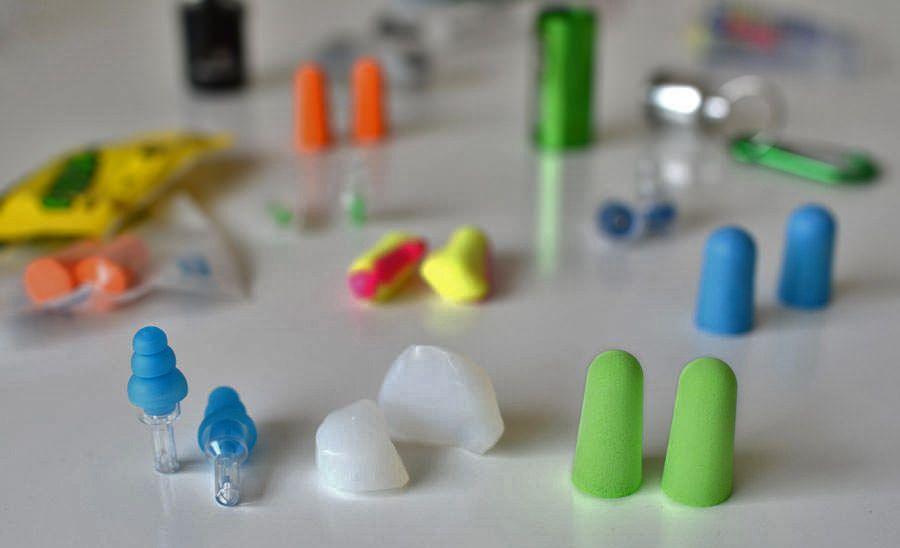
Earplugs are the main modular intervention option available to protect an attendee's hearing in a noisy club or concert. If dampening loud music is a priority, high fidelity, custom-molded earplugs may be a move to consider which help to protect the nightclub-goer's hearing while filtering ambient sounds rather than blanketing them — they cut down on harm from loud music near the ear.
When symptoms like ringing, muffled sounds, or heightened sensitivity to noise linger more than a day, it's time to get an ear doctor involved even if hearing appears to have returned to normal.
Getting Help After a Loud Night
But talk to an professional and ask about symptoms that stay or come with repeated events.
This guide is general health information, not medical or legal advice. Talk to a doctor or pharmacist about your situation. In an emergency call 911.